
Feeling bloated after meals? Gastroenterologist shares the benefits of post-meal ‘fart walks’ to ease discomfortGoing for a short walk after meals – popularised as “fart walks” on social media – is a simple way to get your digestive tract moving and ease bloating. Published on: May 27

IIT Madras graduate rejected ₹10 LPA job for UPSC, later found success through trading: 'Never give up'An X post detailed the man’s 12-year struggle through UPSC preparation, failed career shifts, heartbreak and unemployment before finding success through trading Published on: May 27

Man serves lemon juice as prashad in office prank, colleagues’ reactions go viralA light-hearted office moment captured on Instagram shows lemon juice being served as prashad. Published on: May 27, 2026 4:47 PM IST By Vaishali Kapila Share via Copy link Office life can feel repetitive at times

India opens ₹15,000 crore race to build AMCA stealth fighterThe shortlisted bidders are: Tata Advanced Systems Limited; Larsen and Toubro plus Bharat Electronics Limited, and Bharat Forge plus Bharat Earth Movers Limited Updated on: May 27, 2026 4:56 PM IST By Shishir Gupta Share via Copy link

Cuban Foreign Minister Bruno Rodriguez Parrilla asked the international community for urgent help to prevent disaster in his country, which is under a U.S. energy blockade, in a speech to the UN Security Council on Tuesdayc(May 26, 2026). “I call on the international community to mobilize to
Tomato Rates Climb To Rs 100 Per Kg In Bengaluru, Households Feel The Pinch
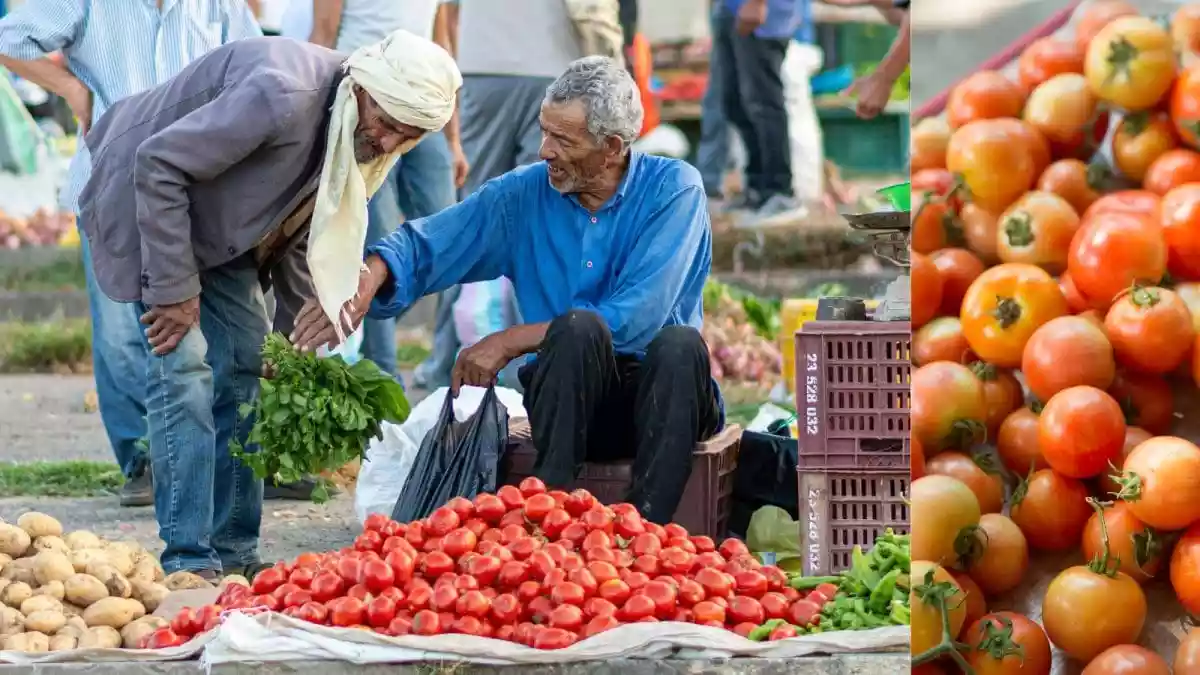
Tomato Rates Climb To Rs 100 Per Kg In Bengaluru, Households Feel The Pinch
Bengaluru residents are once again feeling the pinch as tomato prices surge sharply across markets in the city. Just weeks after prices had dipped to manageable levels, tomatoes have climbed back into the expensive bracket, throwing household budgets off balance.
The sudden rise has also triggered fears of prices crossing the Rs 100 mark soon. Tomatoes, a staple in most Indian kitchens, have seen one of the steepest month-on-month jumps in recent times.
From Rs 37 to Rs 80 in 30 Days
According to retail market data, the average price of tomatoes in Bengaluru has shot up to Rs 80 per kg. Just a month ago, consumers were buying tomatoes at around Rs 30 per kg, marking an increase of more than double in only 30 days.
Over the last 8–10 days, prices have been steadily rising across the city. At HOPCOMS outlets, good quality tomatoes are being sold at Rs 80 per kg, while street vendors in many areas are quoting prices as high as Rs 90 to 100 per kg, depending on quality and locality.
For many households, this has meant sudden changes in daily cooking choices.
Why Tomato Supply to Bengaluru Has Reduced
Traders and market officials say the price surge is being driven primarily by supply shortages. Tomato supplies to Bengaluru have dropped significantly due to a combination of weather-related disruptions and crop damage.
The city largely depends on tomato arrivals from Bengaluru Rural, Kolar, Chikkaballapur, Ramanagara and even Maharashtra's Nashik region. In recent weeks, unseasonal rainfall in these areas has affected harvesting and transport, leading to lower daily arrivals in wholesale markets.
Farmers have also reported crop losses due to disease outbreaks triggered by excess moisture, further reducing the overall yield.
Key Reasons Behind the Tomato Price Hike
Market experts point to multiple compounding factors behind the rise in tomato prices:
With limited storage options, tomatoes cannot be held back during surplus periods, making prices extremely sensitive to sudden supply shocks.
Could Tomato Prices Cross Rs 100?
The trend is not limited to Bengaluru alone. Tomato prices have increased across several states, raising concerns that the situation could worsen soon.
Recent retail prices show tomatoes selling at Rs 96 per kg in Andaman and Nicobar Islands, Rs 92 in Mizoram, Rs 80 in Delhi, Rs 78 in Manipur and Rs 71 in Sikkim. Given this trend, traders believe Bengaluru's tomato prices may cross more than Rs 100 per kg if supplies do not improve in the coming days.
Much will depend on weather conditions and fresh arrivals from producing regions.
Other Vegetables Also Get Costlier
The rising trend is not restricted to tomatoes. Prices of several other vegetables have also gone up across Bengaluru markets.
Current average prices include broccoli at Rs 170 per kg, green beans at Rs 50, penny beans at Rs 48, capsicum at Rs 80, coconut at Rs 70 per kg, mango at Rs 56, gooseberry at Rs 70, banana at Rs 32, lemon at Rs 58, cauliflower at Rs 60, spinach at Rs 20, methi at Rs 22 and pumpkin at Rs 54.
The overall rise has added pressure on household grocery budgets, especially for middle-class families and small eateries.
What Consumers Can Expect Next
Swipe Left For Next Video
Traders say prices may stabilise only once fresh harvests arrive and rainfall reduces. Until then, volatility is expected to continue, particularly for tomatoes.
For Bengaluru consumers, the sudden spike is another reminder of how closely daily food prices are tied to weather patterns, supply chains and storage limitations — and how quickly relief can turn into renewed strain.
From Rs 37 to Rs 80 in 30 Days
According to retail market data, the average price of tomatoes in Bengaluru has shot up to Rs 80 per kg. Just a month ago, consumers were buying tomatoes at around Rs 30 per kg, marking an increase of more than double in only 30 days.
Over the last 8–10 days, prices have been steadily rising across the city. At HOPCOMS outlets, good quality tomatoes are being sold at Rs 80 per kg, while street vendors in many areas are quoting prices as high as Rs 90 to 100 per kg, depending on quality and locality.
For many households, this has meant sudden changes in daily cooking choices.
Why Tomato Supply to Bengaluru Has Reduced
Traders and market officials say the price surge is being driven primarily by supply shortages. Tomato supplies to Bengaluru have dropped significantly due to a combination of weather-related disruptions and crop damage.
The city largely depends on tomato arrivals from Bengaluru Rural, Kolar, Chikkaballapur, Ramanagara and even Maharashtra's Nashik region. In recent weeks, unseasonal rainfall in these areas has affected harvesting and transport, leading to lower daily arrivals in wholesale markets.
Farmers have also reported crop losses due to disease outbreaks triggered by excess moisture, further reducing the overall yield.
Key Reasons Behind the Tomato Price Hike
Market experts point to multiple compounding factors behind the rise in tomato prices:
With limited storage options, tomatoes cannot be held back during surplus periods, making prices extremely sensitive to sudden supply shocks.
Could Tomato Prices Cross Rs 100?
The trend is not limited to Bengaluru alone. Tomato prices have increased across several states, raising concerns that the situation could worsen soon.
Recent retail prices show tomatoes selling at Rs 96 per kg in Andaman and Nicobar Islands, Rs 92 in Mizoram, Rs 80 in Delhi, Rs 78 in Manipur and Rs 71 in Sikkim. Given this trend, traders believe Bengaluru's tomato prices may cross more than Rs 100 per kg if supplies do not improve in the coming days.
Much will depend on weather conditions and fresh arrivals from producing regions.
Other Vegetables Also Get Costlier
The rising trend is not restricted to tomatoes. Prices of several other vegetables have also gone up across Bengaluru markets.
Current average prices include broccoli at Rs 170 per kg, green beans at Rs 50, penny beans at Rs 48, capsicum at Rs 80, coconut at Rs 70 per kg, mango at Rs 56, gooseberry at Rs 70, banana at Rs 32, lemon at Rs 58, cauliflower at Rs 60, spinach at Rs 20, methi at Rs 22 and pumpkin at Rs 54.
The overall rise has added pressure on household grocery budgets, especially for middle-class families and small eateries.
What Consumers Can Expect Next
Traders say prices may stabilise only once fresh harvests arrive and rainfall reduces. Until then, volatility is expected to continue, particularly for tomatoes.
For Bengaluru consumers, the sudden spike is another reminder of how closely daily food prices are tied to weather patterns, supply chains and storage limitations — and how quickly relief can turn into renewed strain.
Scan the QR code to download the News18 app and enjoy a seamless news experience anytime, anywhere.
Source: News18
Related Posts: Tomato prices soar to ₹80 Warangal Tomato Chilli New-age brokers feel the pinch as govt increases tax on speculative trading Pinch Me Please Google Pixel Watch 4 users to get ‘Double pinch’ and ‘Wrist turn’ controls soon Bengaluru residents fume as garbage stench becomes ‘symbol of Silk Board Egg Prices Hit New Low In Bengaluru As Middle East Conflict Halts Exports Bengaluru Food Prices Set To Rise 60% Bengaluru Dry Fruit Prices Soar Oil Prices Ease Again

Jimmy Kimmel brutally mocks Trump for skipping son Don Jr's wedding, ‘This is a guy who…’Jimmy Kimmel addressed President Trump's absence from Donald Trump Jr.'s wedding, mocking his RSVP posted online. Published on: May 27, 2026 5:05 PM IST By Shweta Kukreti Share via Copy link Jimmy Kimmel
4 hours ago

Byju Raveendran, once celebrated for building one of India’s biggest edtech companies, is now battling fresh legal trouble overseas. A Singapore court has reportedly sentenced the Byju’s founder to six months in jail in connection with a contempt case tied to non-compliance with court orders
4 hours ago

Red Balloon Aerospace has launched India's first indigenous super-pressure balloon. Named VISTA, it ascended to 25 km carrying payloads from seven partners. This technology offers a cheaper alternative to satellites for various applications. The company aims for balloons to stay aloft for months
4 hours ago

A team of Chinese researchers has developed a handheld cancer detection device capable of identifying early-stage cancer biomarkers from just a single drop of blood, a breakthrough that could potentially make cancer screening faster, cheaper, and far more accessible in the future
4 hours ago

Congress leader Rahul Gandhi on Wednesday (May 27, 2026) said the CBSE examination results have been marred by "massive irregularities" and demanded an independent judicial inquiry and constitution of a Special Investigation Team (SIT) to unearth the truth behind the "entire scam"
4 hours ago

The Supreme Court on Wednesday asked the Election Commission to consider a representation seeking that Voter Verifiable Paper Audit Trail slips have time stamps that record the exact moment that an elector casts his or her vote, Live Law reported
4 hours ago

The fallout between Ranveer Singh, Farhan Akhtar and Ritesh Sidhwani during the Don 3 controversy has now become quite public, with the Federation of Western India Cine Employees (FWICE) issuing a non-cooperation directive against the Dhurandhar star. Amid this
4 hours ago

The Rajasthan High Court on Wednesday acquitted religious leader Asumal Harpalani, also known as Asaram Bapu, of charges related to the gangrape and sexual assault of a minor, PTI reported. However, a bench of Justices Arun Monga and Yogendra Kumar Purohit upheld his conviction for rape in the case
4 hours ago

Bhatia and Theegala could spring a surprise at Charles SchwabBhatia and Theegala could spring a surprise at Charles Schwab Published on: May 27, 2026 3:33 PM IST PTI Share via Copy link Fort Worth , Indian origin golfers Akshay Bhatia and Sahith Theegala could spring a surprise when they tee off at
4 hours ago

Noida International Airport: Paresh Maity’s art takes flight of fancyIndian artist Paresh Maity’s two public art installations will be part of the Noida International Airport that is expected to be operational from June 2026. These include six huge panels and a bell installation represent
4 hours ago

The Assam Assembly on Wednesday passed the Uniform Civil Code bill seeking to ban polygamy and make the registration of live-in relationships compulsory, even as the Opposition demanded that it should be sent to a select committee for scrutiny
4 hours ago

LIC shares fall 3 percent as reports say India plans 2 percent stake sale to institutional investors. LIC (Life Insurance Corporation) shares slipped 3 per cent intraday on Wednesday, following the reports suggest the government is planning to sale 2 per cent stake from the insurance behemoth next
4 hours ago

The rupee slipped 8 paise to 95.78 against U.S. dollar in early trade on Wednesday (May 27, 2026) on elevated crude oil prices as fresh U.S. strikes dampened optimism for an imminent U.S.-Iran peace deal. Forex traders said escalating U.S.-Iran conflict is again boosting safe-haven demand for the
4 hours ago

‘India is dirtiest country’: Vlogger praises Sri Lanka, critiques India’s tourism decline due to poor cleanlinessShenaz Treasury criticised India's cleanliness issues, stating they deter tourists and compared the poor civic sense in the country to that in Sri Lanka. Updated on: May 27
4 hours ago

Demolish all illegal structures within 15 km of international border: Amit ShahDemolish all illegal structures within 15 km of international border: Amit Shah Published on: May 27, 2026 2:00 PM IST PTI Share via Copy link New Delhi, Union Home Minister Amit Shah has directed the authorities to
7 hours ago

Canada said on Tuesday (May 26, 2026) it will temporarily ban residents from three African countries amid an Ebola outbreak. Residents of the Democratic Republic of Congo, Uganda and South Sudan will be banned from entering Canada for 90 days starting on Wednesday (May 27, 2026)
7 hours ago

Stray dog at Hyderabad airport lounge seen eating leftovers, sparks hygiene debateA stray dog spotted at Rajiv Gandhi International Airport lounge in Hyderabad has gone viral after being seen eating leftovers. Published on: May 27, 2026 2:03 PM IST By Vaishali Kapila Share via Copy link A video
7 hours ago

Kareena Kapoor's nutritionist Rujuta Diwekar shares 3 desi hacks to beat the heat naturally at home: Wala roots to…To combat heat, Rujuta Diwekar recommends adding vetiver roots to water, applying henna to the hands and drinking buttermilk with spices. Here's how they help. Updated on: May 27
7 hours ago

San Francisco-bound Air India flight, airborne for over 8 hours, returns to Delhi after technical snagAir India further added that the flight landed safely in Delhi and will undergo a technical inspection. Updated on: May 27, 2026 2:28 PM IST By HT News Desk Share via Copy link An Air India flight
7 hours ago

Amazon invested over £15 billion ($20 billion) in Britain in 2025, keeping the on track to deliver its planned £40 billion investment in the three years to the end of 2027, it said on Wednesday.Investments in 2025 included the launch of new operational sites
7 hours ago

, who left in March from its India used-car CEO role, has joined company as cofounder.Pune-headquartered EMotorad, founded in 2020, is backed by the likes of Panthera Growth Partners, Green Frontier Capital and Binny Bansal's xto10x."What EMotorad has built is genuinely exciting
7 hours ago

Republican Senator Lindsey Graham termed "problematic" the role of Pakistan as a mediator in the United States' war with Iran. Mr. Graham's remarks came as Pakistan's Defence Minister Khwaja Asif said he is not in favour of Islamabad joining the Abraham Accords
7 hours ago

Ashneer Grover once shut down his pitch with ‘Tu baith jaa yar’. Now he’s headed to Y CombinatorAn entrepreneur has shared his journey from being dismissed by Ashneer Grover to getting into the world’s most prestigious startup accelerator, Y Combinator. Updated on: May 27
7 hours ago

100 gharial hatchlings at Chambal sanctuary boost conservation efforts100 gharial hatchlings at Chambal sanctuary boost conservation efforts Published on: May 27, 2026 2:34 PM IST PTI Share via Copy link Jaipur, Around 100 gharial hatchlings have emerged from four nests in the Palighat area of the
7 hours ago

Cardiologist explains why ‘normal’ stress test does not mean arteries are clean, shares 5 symptoms to look out forA stress test does not give the total picture of the cardiac blood vessels. As such, the risk of heart attack remains, shares Dr Yaranov. Updated on: May 27
7 hours ago

Organisational intelligence, the new growth pivot for enterprises, is emerging as a key differentiator between growth and stagnation of organisations. The key to being on the greener side of this phenomenon is the ability to learn faster and knowing how to put that knowledge into execution
7 hours ago

Fans of Bollywood actor Ranveer Singh are reacting with shock after a major film workers' union asked its members not to work with him over his alleged abrupt exit from the upcoming movie Don 3. The Federation of Western India Cine Employees (FWICE)
7 hours ago


