Ozempic Gets India Nod: What To Know Before Trying Hollywood's Favourite Weight-Loss Drug
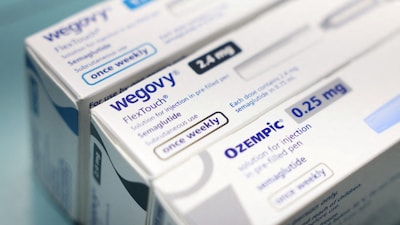
Ozempic Gets India Nod: What To Know Before Trying Hollywood's Favourite Weight-Loss Drug
India has cleared Ozempic, the once-a-week semaglutide injection from Novo Nordisk, for adults with type 2 diabetes. Already a blockbuster abroad, the drug has become famous for controlling blood sugar and aiding weight loss.
What is Ozempic, how does it work, what are its risks, and what could its arrival mean for Indian patients?
What Is Ozempic?
Ozempic is the brand name for semaglutide, a medicine that helps people with type 2 diabetes manage blood sugar levels. It belongs to a class called GLP-1 receptor agonists, drugs that act like natural hormones produced after meals to regulate insulin, reduce unnecessary sugar spikes, and slow digestion.
Taken as a once-weekly injection, Ozempic was first approved by the US FDA in 2017 for type 2 diabetes. Beyond diabetes control, Ozempic has gained global attention for its ability to help patients lose weight, especially when combined with diet and exercise. In fact, a higher-dose version of the same molecule is sold under the name Wegovy and licensed for chronic weight management.
The Central Drugs Standard Control Organisation (CDSCO) has now cleared Ozempic in India for adults whose diabetes is not adequately controlled by diet and exercise. For a country with one of the world's largest diabetes burdens, this represents an important new option in long-term care.
How Does Ozempic Work?
Ozempic works by mimicking a natural hormone called GLP-1. This allows it to tackle diabetes and obesity on multiple fronts.
For patients with type 2 diabetes, this means steadier blood sugar control and lower HbA1c levels. For those struggling with obesity, the appetite-suppressing effect often translates into meaningful and sustained weight loss.
What Benefits Does Ozempic Offer?
Approval in India follows data from international trials showing that semaglutide improves blood-sugar control, supports weight reduction, and lowers the risk of major cardiovascular events in patients already at high risk.
According to internal medicine specialist Dr Sanchayan Roy, quoted by HT, Ozempic is well known for its role in “aiding weight loss and enhancing metabolic health." He explains that higher doses of 2.4 mg, when paired with lifestyle modifications, have been shown to deliver weight loss. For patients at high risk of heart problems, the drug has also been linked with a reduced incidence of serious cardiovascular issues.
Ozempic and similar GLP-1 drugs can produce a 15–20 per cent reduction in body weight. Even more modest weight loss of 5–10 per cent has been associated with improvements in metabolic health, lower blood pressure, and reduced risks of fatty liver disease and obstructive sleep apnoea.
What Are The Risks Of Using Ozempic?
Alongside its benefits, Ozempic carries risks that require close medical supervision. The most common side effects are gastrointestinal problems, including nausea, vomiting, diarrhoea, constipation and abdominal discomfort, especially when treatment begins. In some cases, long-term use has also been linked to nutritional deficiencies and muscle loss.
More serious complications have also been reported. There is a risk of pancreatitis (inflammation of the pancreas), gallbladder problems, and kidney issues. Regulatory warnings also exist around the thyroid because rodent studies linked semaglutide to C-cell tumours, although the relevance for humans remains debated.
Rarer but concerning effects include allergic reactions, irregular heartbeat, and thyroid cancer. Mental health concerns, including mood changes and anxiety, have also been observed in some cases.
These risks have reinforced the view that Ozempic must never be taken casually or as a cosmetic shortcut, but only on prescription with regular follow-up.
How Much Will Ozempic Cost In India?
Novo Nordisk has not yet revealed the official Indian price of Ozempic. Comparisons with related products, however, suggest it will not be cheap.
Wegovy, the higher-dose version for weight management, is reported in India at Rs 17,345 to Rs 26,015 per month, depending on dose and pack size. Mounjaro (tirzepatide), a competing GLP-1 therapy, is priced from Rs 14,000 to Rs 17,500 per month.
This indicates Ozempic is likely to enter at a similar range. Broader access could depend on competition and generic launches. Novo Nordisk's patent on semaglutide is due to expire in March 2026, after which lower-cost versions may become available.
What Does Approval Mean For Indian Patients?
For millions living with type 2 diabetes, Ozempic offers a treatment that could simplify routines, improve sugar control, and deliver weight-loss benefits. For those with cardiovascular risk, it may also reduce the likelihood of heart complications.
However, the drug's real impact will depend on affordability and access. If it remains priced at international levels, only a small segment of wealthier patients may benefit. Wider gains could follow if insurance coverage expands, government procurement brings down costs, or generics enter the market after 2026.
The backdrop is a rapidly growing market. As reported by Firstpost, India's anti-obesity drug segment was valued at Rs 628 crore in June 2025, a fivefold increase in five years, with the GLP-1 category alone growing 27 per cent year-on-year. Vikrant Shrotriya, Managing Director and Corporate Vice President of Novo Nordisk India, in a conversation with India Today, has said the launch of Ozempic will complete the company's semaglutide portfolio in India, which already includes Rybelsus (oral semaglutide) and Wegovy.
Doctors underline that Ozempic should be seen as part of a broader management plan involving diet, exercise and medical supervision. It is not meant for unsupervised cosmetic weight loss.
Why Has Ozempic Become So Popular Worldwide?
Globally, Ozempic's popularity has been driven as much by its weight-loss effects as by its celebrity associations. Tesla CEO Elon Musk credited it, along with fasting, for his weight loss. British TV personality Sharon Osbourne revealed losing more than 40 pounds but also experiencing early nausea. Singer Lizzo and actress Rebel Wilson, both of whom have been open about body image struggles, also admitted to trying it.
The most candid account came from comedian and actress Amy Schumer, who said she initially lost 30 pounds on Ozempic but was forced to quit after severe side effects. Speaking to Howard Stern, she recalled being “bedridden, vomiting, with no energy" and unable to play with her young son. Later, she learned she carries a genetic marker, GDF15, that made her highly prone to nausea. “Other people take it and they're all good, God bless them," she said. “But for me? Never again."
Such high-profile stories have pushed Ozempic and its sister drug Wegovy into the mainstream. In the US alone, nearly 15 million adults, about six per cent of the population, are now on semaglutide-based medications, making it one of the fastest-growing drug markets. The boom has also raised concerns about overuse, misuse and shortages for those who need it most.
Swipe Left For Next Video
The Bottom Line
For Indians weighing the promise of Ozempic, the balance is clear. The benefits can be dramatic, from improved sugar control to substantial weight loss. But the side effects can be just as dramatic, making medical supervision essential every step of the way.
Source: News18
Related Posts: Ozempic, Ozempic india, semaglutide, type 2 diabetes, weight loss drug, diabetes medication India, Ozempic side effects, Ozempic cost India, Ozempic approved in india


