How to develop a connection with Physics
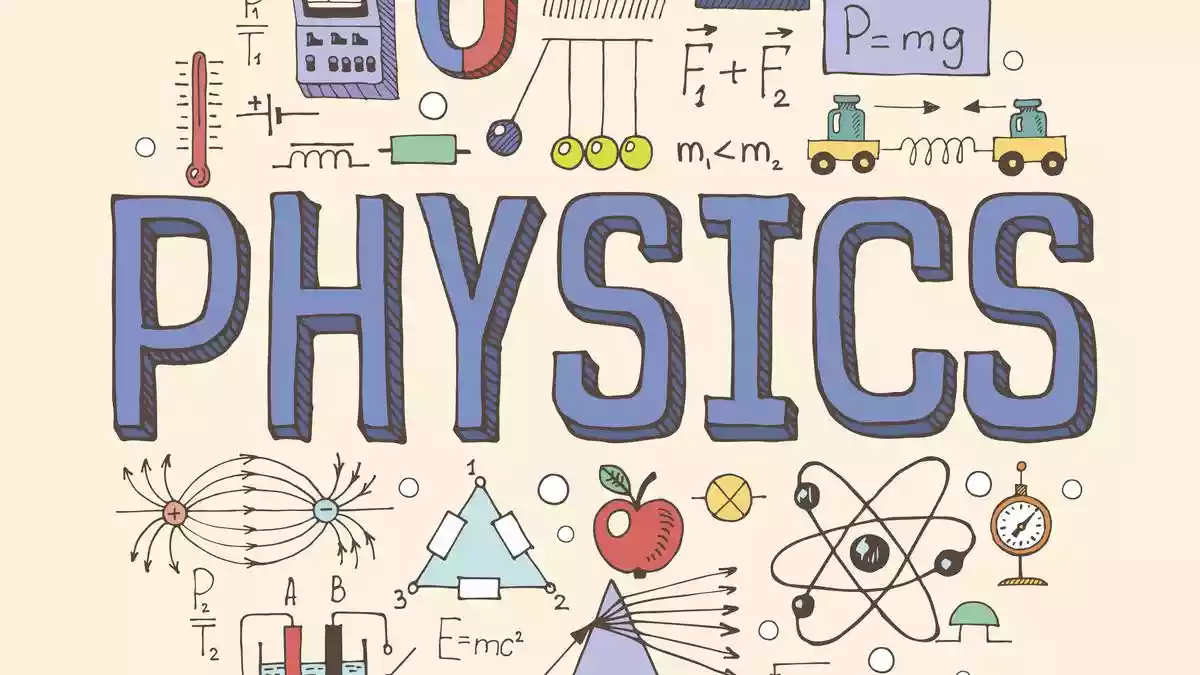
How to develop a connection with Physics
Physics is a subject that many students find both interesting and difficult. But it can become an enjoyable one, provided you approach it correctly. In addition to making learning more enjoyable, developing a passion for Physics also helps you do better on tests. Here are some tips for establishing a genuine connection with the subject.
Understand, don't memorise: The study of Physics is intellectual and logical. Pay attention to the causes of events rather than just the results. Make an effort to see waves, motions, fields, and forces as actual occurrences in your environment. The “how” becomes simpler to manage once you get the “why” behind the idea.
Relate Physics to real life: Physics is used in everything from turning a fan on to seeing a cricket ball sail through the air. Creating connections with real-world situations helps solidify your learning. Newton's laws, for example, become more realistic when you watch someone pushing an automobile. This transforms Physics from a scholarly discipline into a potent instrument for comprehending life.
Start with the right study material: Your understanding of Physics is greatly influenced by how the subject is introduced to you. Begin with study materials that focus on building a strong foundation in basic concepts. Once you're comfortable with the fundamentals, gradually move on to more advanced problem-solving. Avoid the temptation to jump directly into complex questions without first mastering the basics.
Make learning visual and interactive: Physics becomes more engaging and easier to grasp when concepts are presented visually. Incorporate diagrams, animations, and simulations into your study routine. Online educational videos and interactive platforms can be excellent tools to help visualise and reinforce difficult theories.
Solve problems actively: In Physics, practice is everything. Don't just read solutions; solve them yourself. Begin with simple problems and gradually increase difficulty. While practising, write each step, note down where you get stuck, and revisit concepts when needed. This active engagement will develop problem-solving stamina and boost your confidence.
Make a formula sheet: Keep a dedicated notebook or sheet where you write down all important formulas, laws, and shortcuts. Revise this regularly. Group formulas topic-wise and note any special conditions or limitations for each. But remember, understanding comes before memorisation.
Stay curious: Ask questions; even if they are weird! Why do satellites stay in orbit? Why does your mobile heat up when used for a long time? The more questions you ask, the deeper your curiosity grows, and curiosity is the foundation of passion for any subject.
Study in small, consistent bursts: Break your study sessions into one to two hour blocks with specific goals, like “complete 10 questions on SHM” or “revise Newton's Third Law.” This focused approach makes learning manageable and keeps you motivated.
Learn from mistakes: Every time you get a problem wrong, treat it as a learning opportunity. Analyse your mistakes. Was it a conceptual error? A calculation slip? Misunderstanding the question? This reflection helps you avoid repeating the same errors.
Discuss and teach: Explaining concepts to friends or even to yourself is a great way to internalise them. Join a peer group or online community where you can discuss doubts, quiz each other, or share tricks.
Physics is not just about numbers and equations; it's the language of the universe. Understanding Physics means appreciating the beauty in motion, energy, and the forces that shape everything around us.
The writer is Founder, EduQuik.
Published - October 05, 2025 10:00 am IST
education / The Hindu Education Plus / careers / students / university / universities and colleges / higher education
Source: The Hindu
Related Posts: how to study physics,understanding physics,physics study tips,Mahesh Gour


